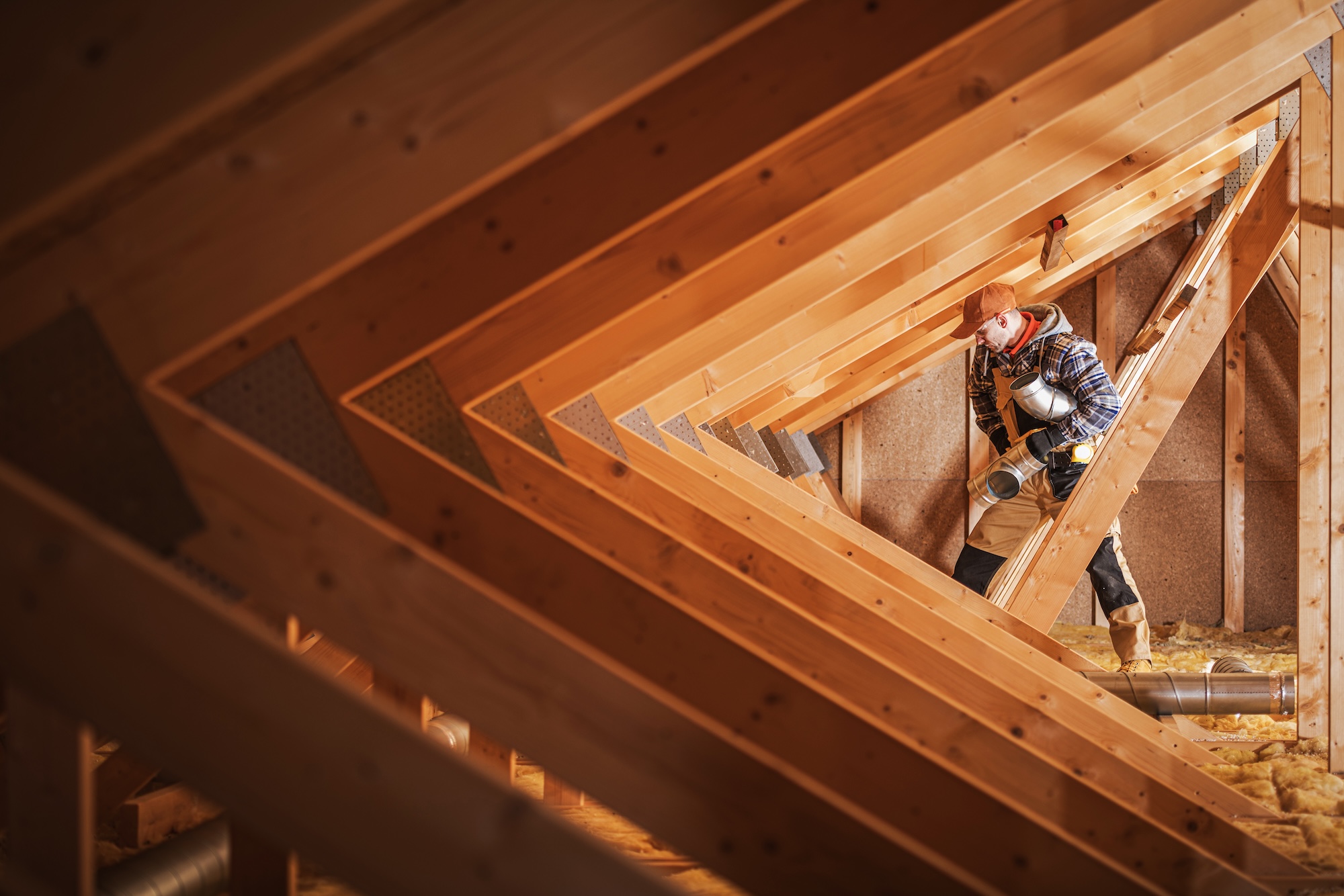

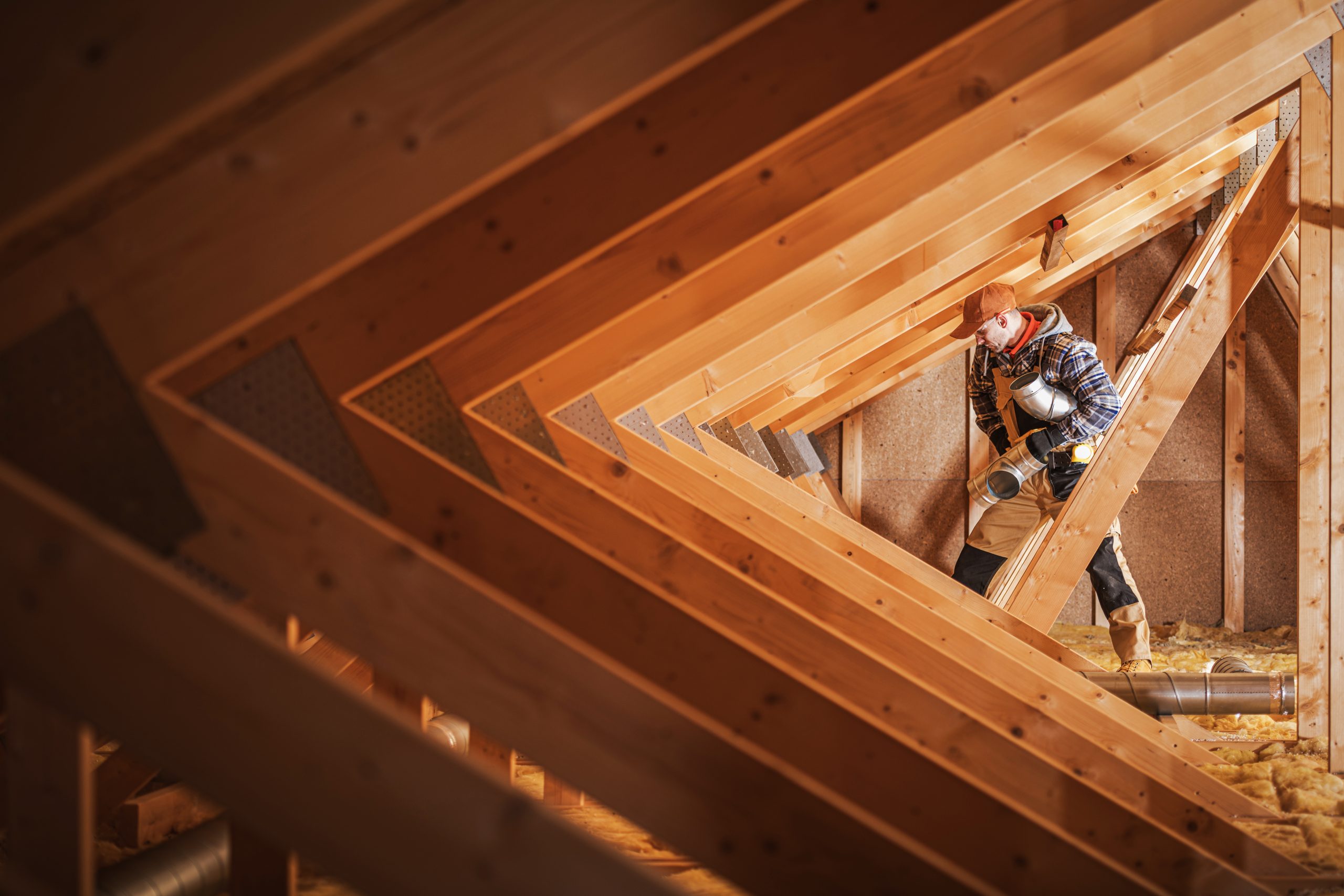
Wood framing experts know how to ensure your structure is built to last — and a big part of that is the wood they choose for your framing.
Some types of timber are strong and durable — others, not so much. Here is a guide to the best and worst timber for framing. In this article, you’ll learn:
- What makes timber suitable for framing?
- Best and worst types of timber for framing
- How to choose types of timber for framing
What Makes Timber Suitable for Framing?
Timber used in framing needs to be strong and durable. If it’s going to be visible — like some structures with exposed beams, it also needs to be aesthetically pleasing.
The strength and durability of timber generally refers to a board that’s rigid, with low moisture content.
Shrinkage occurs particularly in wood with a high-moisture content. Wood swells when it absorbs moisture, and shrinks when dry. As timber naturally dries in your structure, a high-moisture content piece of wood will shrink substantially. This can cause issues with the measurements your builder has carefully calculated.
Additionally, the best timber for framing is resistant to bending or twisting. This makes your structure sturdy. In addition to shrinking, wood with a high-moisture content can twist, bend, or warp as it dries. This can cause unstable areas that lead to structural issues within your building.
The amount of shrinkage and resistance to warping varies with wood species. Most wood shrinks perpendicular to the grain, and the best types of wood for framing have low, predictable shrinkage and are highly-resistant to bending. Learn more about the considerations for each wood species when used for framing.
Pros and Cons Timber for Framing
Fir
Fir timber, typically Friser or Douglas Fir, is one of the most common wood types in framing. It’s an excellent choice due to its durability and strength. It is a softwood, and can be prone to dents, scratches, and cosmetic damage, but that doesn’t impact its structural soundness.
Pros: Low shrinkage, durable, stable in changing moisture conditions, aesthetically pleasing.
Cons: Though it has high compressive strength, Douglas Fir can be prone to splitting. When cut and installed properly, this is very unlikely to happen or to affect your building’s structure. It can also be a more expensive option.
Spruce
Spruce is another very common wood species for use in framing. As a softwood, it can be subject to cosmetic wear from handling, but unless the framing is intended to be exposed, the cosmetic wear will have no impact on structural integrity. Spruce is strong and lightweight, readily available, and inexpensive.
Pros: Inexpensive, easy to find, strong and durable.
Cons: Spruce shrinks with the grain, which can pose issues if not properly planned for. This means when it shrinks as it loses moisture content, it will actually shrink across its length, rather than width.
Pine
Pine is another common softwood often used in structural framing. It’s an elastic wood that resists shrinking and swelling well, but is very prone to warping or twisting if not properly cured before installation.
Pros: Low cost, lightweight
Cons: Not as strong or durable, prone to twisting if installed incorrectly, difficult to stain if it will be exposed.
Oak
Oak is a strong, durable, and aesthetically pleasing wood choice — making it a stunning choice for structures that want to show off the timber framing, not hide within the walls. However, the benefits come at a cost: oaks can be expensive, and its weight makes transporting and working with it a challenge.
Pros: Strong, durable, naturally insect- and rot-resistant.
Cons: Expensive, dense and heavy.
Hemlock
Helock is readily available on the east coast and commonly found in construction projects there. It is not a good choice for exposed framing, as it’s not very durable when subjected to moisture, UV rays, and insects. It’s a more brittle wood, and can splinter easily.
Pros: When used an an interior framing, it’s durable and structurally sound, if not as strong as other wood options
Cons: Susceptible to rot, brittle and prone to splintering.
How to Choose Timber for Framing?
Environment and Type of Structure
If you plan to have a timber-framed structure with lots of exposed wood, you’ll need to keep that in mind when choosing your wood types. If you live in a particularly humid or wet climate — that may impact your wood choice as well. In Utah, the air is dry which makes brittle wood a less appealing choice.
Availability
Sometimes, the type of wood for framing comes down to availability. With many types of wood being equally suitable and having their own pros and cons — the most readily available wood is likely the best choice.
Price
The pricing of wood might also dictate the best choice. If environmental factors and availability don’t make a difference, choosing the least expensive wood that can do the job well will help make your project more cost-effective! Some types of woods can be prohibitively expensive, and it’s only worth choosing them — like oak — if you plan to have parts of your timber frame exposed as a design element.
Most commercial and residential wood framing contractors will know what type of wood is best for your project when they review the architectural drawings and scope of work. Letting them take the lead unless you have specific design intentions is the best way to ensure your wood is chosen thoughtfully. Learn more about our wood framing services and get in touch with us to learn more about the best types of timber for framing.