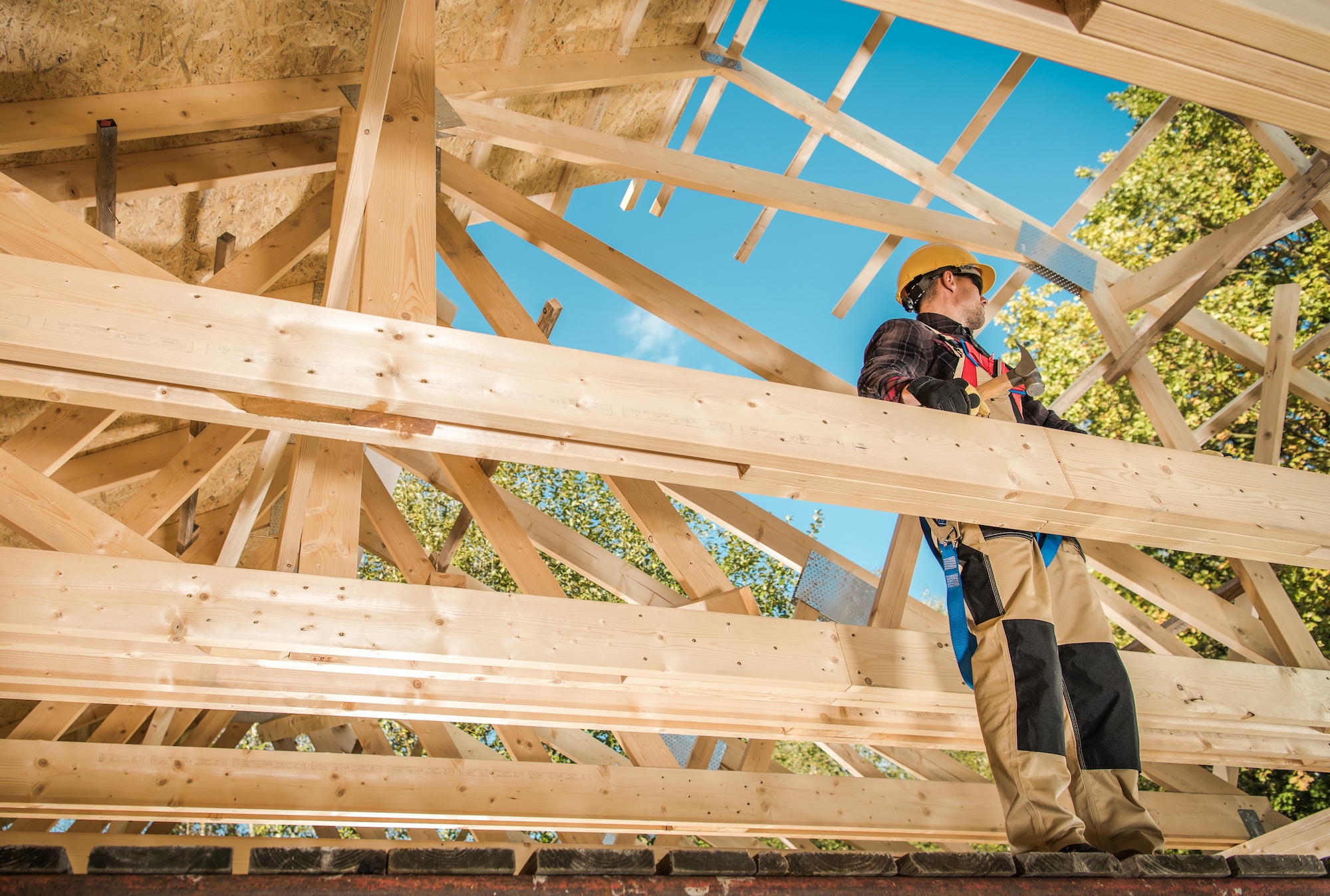

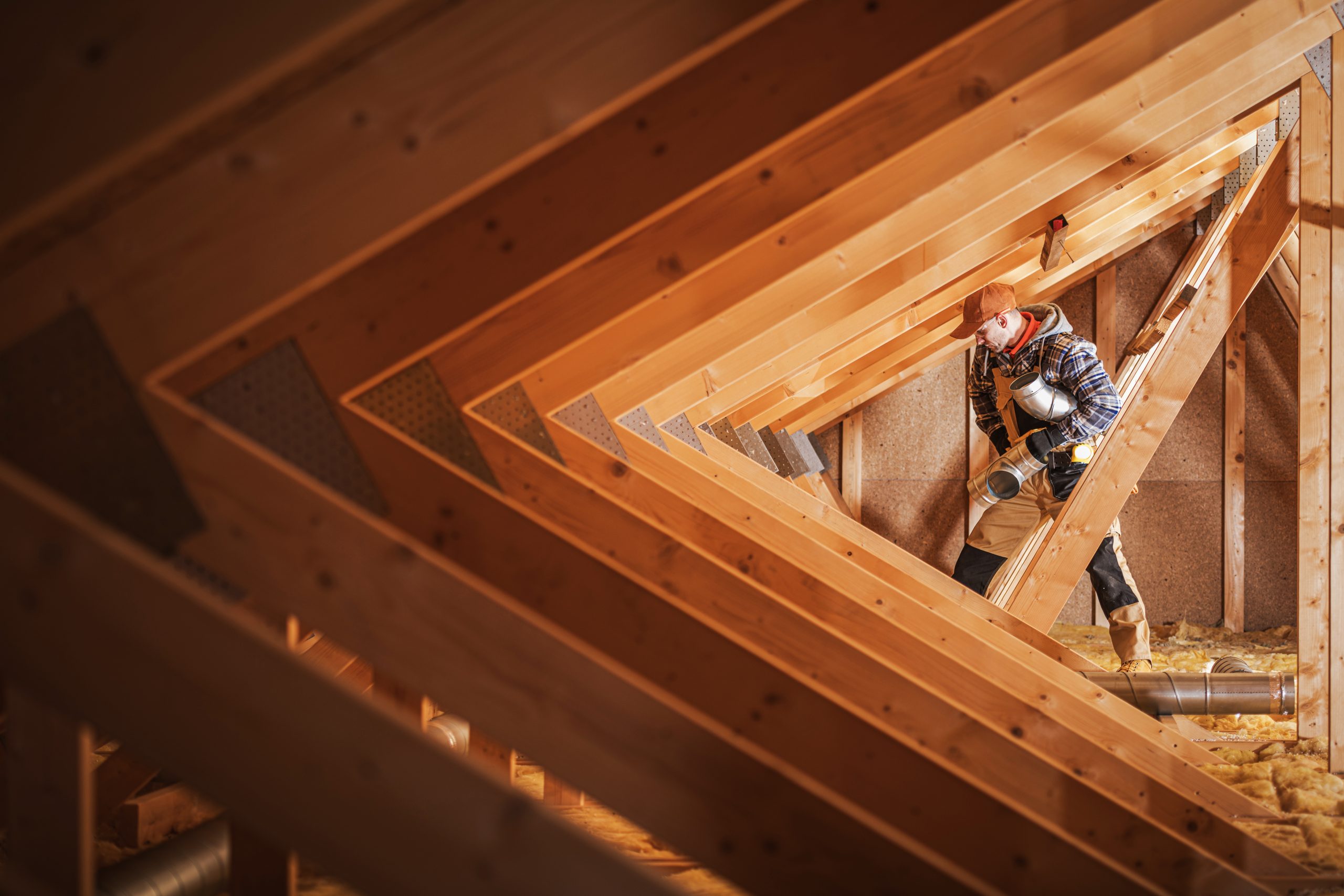
Timber framing in homes combines structural strength with the warmth and character Utah homeowners love, but it also introduces design, engineering, and code considerations that are very different from standard stick‑built construction. When those details are missed, the result is often costly change orders, performance issues, or long‑term maintenance problems. This guide walks through the most common mistakes builders and homeowners make with timber framing homes—and how partnering with a qualified framing contractor can keep your project on track from foundation to finish.
1. Treating Timber Framing Like Standard Stick Framing
Most problems start when a timber framing home is designed and priced as if it were just “heavy-duty stick framing.” Large-span timbers, exposed connections, and unique load paths all require dedicated structural engineering and precise layout that standard house plans often don’t include. When that engineering is skipped or left to the field, crews end up making on‑site changes that affect both safety and aesthetics.
Working with a framing contractor who understands timber systems means those details are resolved up front. At Hardcore Constructors, residential wood framing projects are engineered and laid out around timber sizes, spans, connector locations, and bearing points before a crew ever sets foot on site, reducing surprises during construction and inspection.
2. Choosing the Wrong Timber and Not Controlling Moisture
Using whatever large timbers are available instead of specified, graded material is a fast way to introduce warping, checking, and capacity issues into a timber framing home. Different species perform differently in exterior and interior conditions, and ungraded or poorly dried materials are more likely to twist or crack as the home settles.
Moisture is another major risk point. If timbers sit uncovered, in contact with wet concrete, or exposed to snow and freeze-thaw cycles, they can take on water, leading to rot, mold, and long‑term durability problems. A disciplined contractor will specify appropriate species and grades, protect timbers on site, and detail proper flashing, air gaps, and drainage so the frame can dry out as designed.
3. Overlooking Fire, Energy, and Building Code Requirements
Even though heavy timbers are naturally fire-resistant, timber-framed homes are still subject to Utah’s fire and building codes for things like fire-blocking, separation distances, and cladding choices. Ignoring these requirements until inspection can mean opening up finished work to add blocking, adjust assemblies, or change materials.
The energy side matters just as much. If insulation, air barriers, and connector details aren’t designed around the timber frame, the home can suffer from thermal bridging through the heavy timbers, drafts at infill joints, and higher utility bills than one with properly insulated bays and sealed connections. Hardcore’s team designs wall and roof assemblies that integrate fire safety and energy performance from the beginning, so the home passes inspection and performs well in Utah’s hot summers and cold winters.
Fire‑Blocking and Compartmentalization
Timber framing often features large open volumes, which creates more demand on correct fire‑blocking and compartmentalization to slow flame and smoke spread between levels and concealed spaces. A builder familiar with Utah’s codes will coordinate blocking locations, shaft enclosures, and draft‑stopping with both the framer and inspector to avoid rework.
Insulation, Air Sealing, and Thermal Bridging
Because timber members are thicker and often exposed, standard stud-wall details don’t always apply, and poorly planned transitions can allow heat to bypass insulation layers. Thoughtful placement of continuous insulation, careful air sealing, and strategic use of connectors help preserve the character of exposed beams while still delivering a tight, efficient envelope.
Documentation for Inspectors and Insurers
Inspectors and insurers typically want evidence that timbers are properly graded and that engineering and assemblies meet code. Having stamped drawings, grading documentation, and clear details ready speeds approvals and keeps the schedule moving.
4. Poor Coordination Between Design, Site Work, and Framing
Timber framing homes rely on precise bearing points; if the foundation is out of level, out of square, or poorly drained, the entire frame is harder to stand and more likely to need shimming or cutting on site. That not only slows the schedule but can introduce unintended stresses into posts and beams.
Utah’s varied soils and sloped sites add to the challenge. Proper layout, anchor placement, and drainage are essential to keep posts dry and loads properly transferred into the foundation over time. Hardcore Constructors coordinates with surveyors, engineers, and excavation crews so the frame drops onto a foundation that is ready on day one, keeping crane time and field adjustments to a minimum.
Planning a Timber Framing Home in Utah? Hardcore Can Help
A well‑designed timber framing home should feel solid, efficient, and timeless—not like a science experiment in structure, moisture, and code compliance. The difference comes down to planning, coordination, and having a framing team that understands how all of those pieces fit together in Utah’s specific climate and regulatory environment. From engineering support and material selection to fire‑blocking details and energy‑efficient wall assemblies, Hardcore’s residential wood framing team helps homeowners and builders avoid costly mistakes before they become problems on site.
If you are considering a timber framing home along the Wasatch Front or anywhere in Utah, get in touch about your plans. The earlier Hardcore Constructors is involved, the easier it is to refine the design, protect your budget, and make sure your timber frame performs the way you expect for decades.